


The Value of Expert Export Guidance
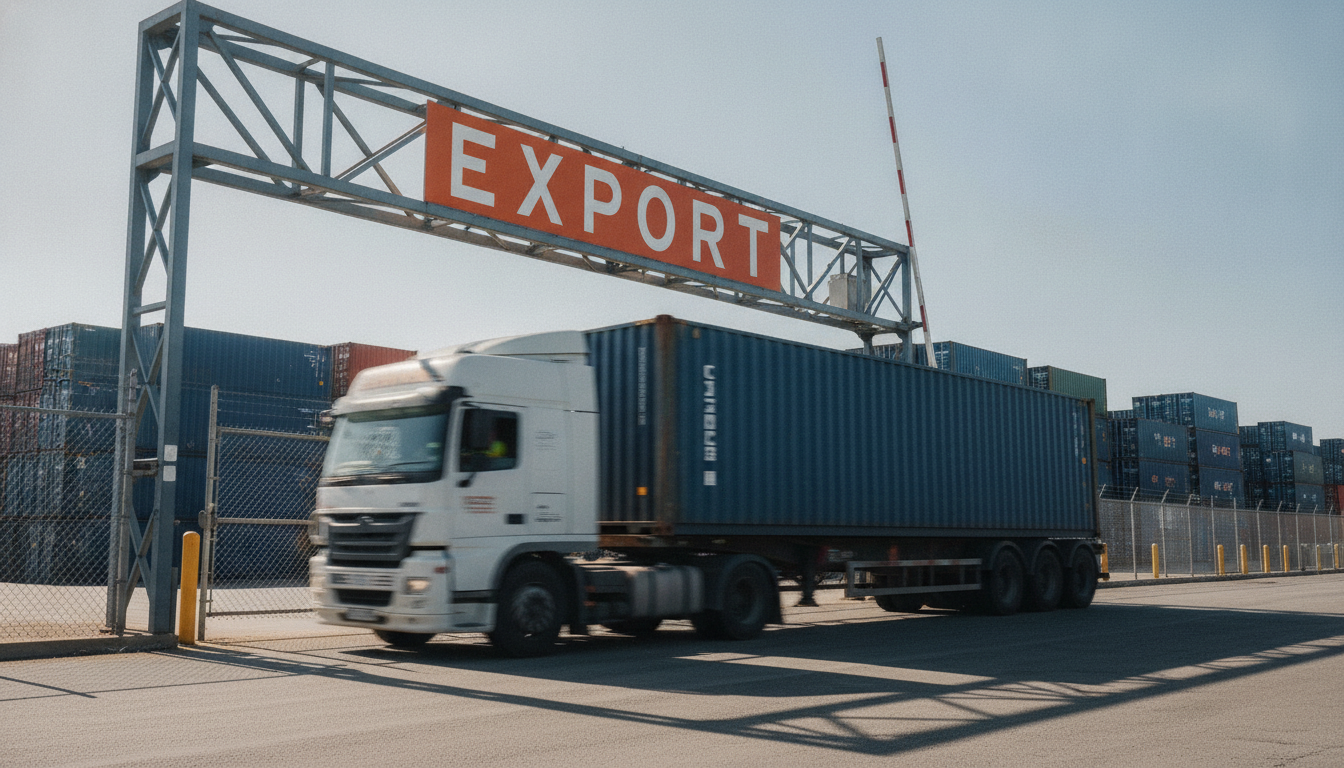
Exporting from South Africa rewards companies that expand beyond their borders — but the complexities become stumbling blocks if you meet them in the wrong order. This is the practical walkthrough: the five stages of an export, what happens in each, and the questions to settle before you move to the next. For the business case behind hiring help at all, read why expert export guidance pays.
Key takeaways
- An export runs in five stages: market research, destination requirements, documentation, INCOTERMS and costing, then logistics and delivery.
- Most delays are created in stages one and two and only discovered in stage five.
- Your INCOTERM decides where cost and risk pass to the buyer — agree it before you quote, not after.
- A clearing and forwarding agent with agents in your destination country confirms requirements in advance instead of reacting at the border.
Where exports go wrong before they start
Very few exports fail at the port. They fail earlier, quietly: a destination rule nobody checked, a packing specification nobody confirmed, a term of sale nobody agreed in writing. By the time the shipment stops moving, the decision that stopped it is weeks old and expensive to undo.
Communication is key. Throughout the export process it keeps information flowing and, most importantly, eliminates unwelcome surprises.
Your export journey, stage by stage
With an experienced clearing and forwarding partner such as Value Clearing and Forwarding, the process becomes a clear sequence rather than a guessing game:
- Market research and compliance. Confirm the rules and regulations for your target market before anything ships — including whether your product needs a permit, a certificate of origin or a specific standard mark.
- Destination requirements. Drawing on a network of international agents, your partner ascertains what each destination actually asks for — labelling, packaging, treatment of timber packing, import documents — so nothing is discovered at the border.
- Documentation. Commercial invoice, packing list and transport document have to agree with one another line for line. A mismatch between the invoice and the packing list is one of the most common causes of a hold.
- INCOTERMS and costing. Agree the term of sale, then build the cost around it. The term decides who pays freight, who insures, and who clears the goods for import.
- Logistics and delivery. Only now does the physical move get booked: mode, route, consolidation and final delivery, tracked end to end.
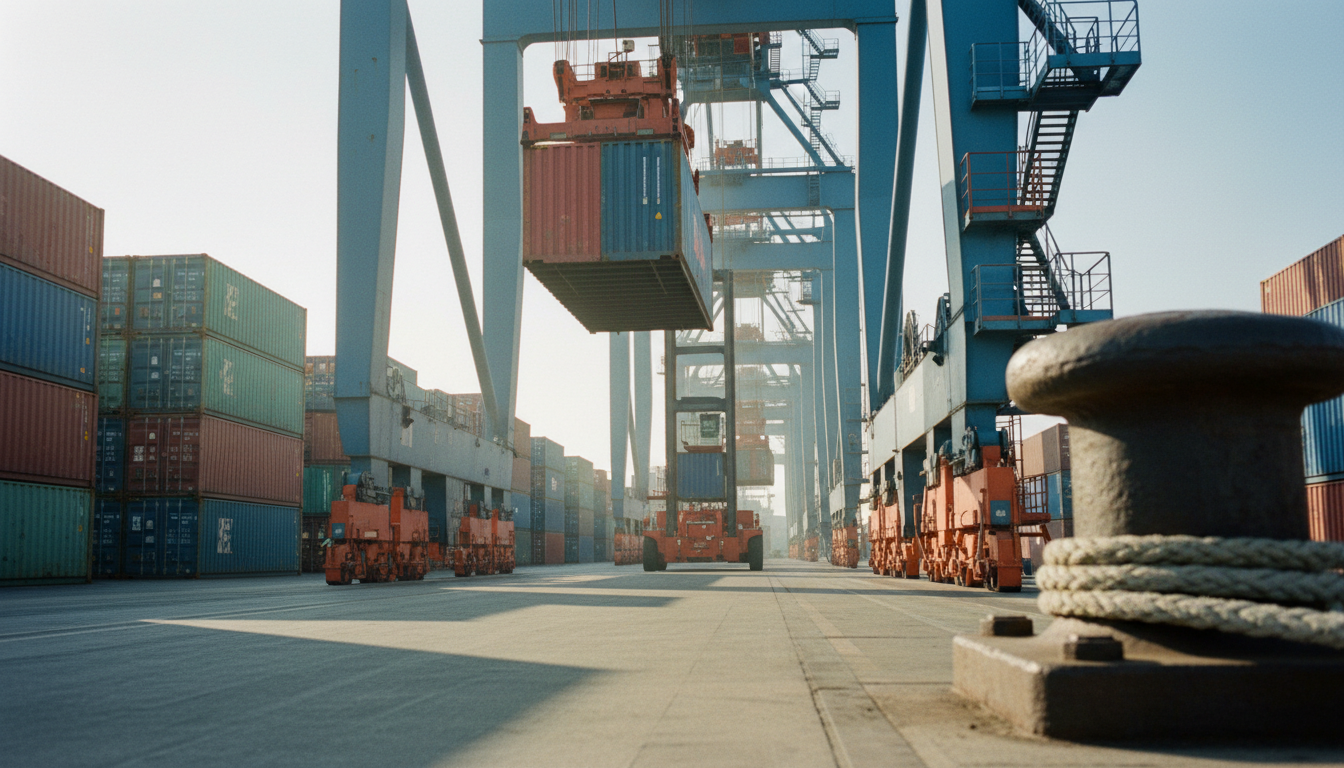
Notice that four of the five stages happen before a single container moves. That is the whole argument for guidance: the cheap time to fix an export is while it is still a plan.
INCOTERMS: who does what, and where the risk passes
INCOTERMS are the shorthand that tells you and your buyer where your responsibility ends. Four of the most commonly used:
EXW
Ex Works. The buyer collects from your premises and carries the cost and risk from that point on. Simplest for you, heaviest for them.
FOB
Free On Board. You deliver the goods on board the vessel at the named port of shipment, and risk passes there. Sea and inland waterway only.
CIF
Cost, Insurance and Freight. You pay carriage and insurance to the named destination port — but risk still passes to the buyer at origin, on board.
DDP
Delivered Duty Paid. You deliver the goods cleared for import at the named destination and carry duties and taxes. Heaviest for you, simplest for them.
The precise obligations under each term are set out in the Incoterms rules, and the rules are revised periodically — confirm with your agent which version your contract refers to before you sign.
What to have ready before stage one
- A clear product description, including materials and intended use — classification depends on it.
- Accurate weights and dimensions per package, and the total for the consignment.
- The buyer’s full details and the exact delivery address, including who clears the goods on arrival.
- Your target landed cost, so the INCOTERM can be chosen deliberately rather than by default.
- Any certificates your industry already holds — they are often the same ones a destination asks for.
Unlock your export potential
Do not let the challenges of exporting cap your potential. With an experienced team and a global network guiding each stage, risk drops and efficiency rises, so you can capitalise on the opportunities international trade presents. If part of your trade moves as parcels rather than pallets, our guide to shipping to and from South Africa covers the courier side of the same journey.
Take the first step on your export journey
Share your shipment and destination — get an accurate international courier quote in under a minute.
Get your instant quote →