


Optimising South African Road Freight
Road freight carries most of what moves between South Africa’ major centres, and it is the leg where cost and delay are easiest to control. Very little of that control sits with the truck. It sits in how the load is built, how it is protected, how honestly the lead time is planned, and whether the paperwork matches what is actually on the deck.
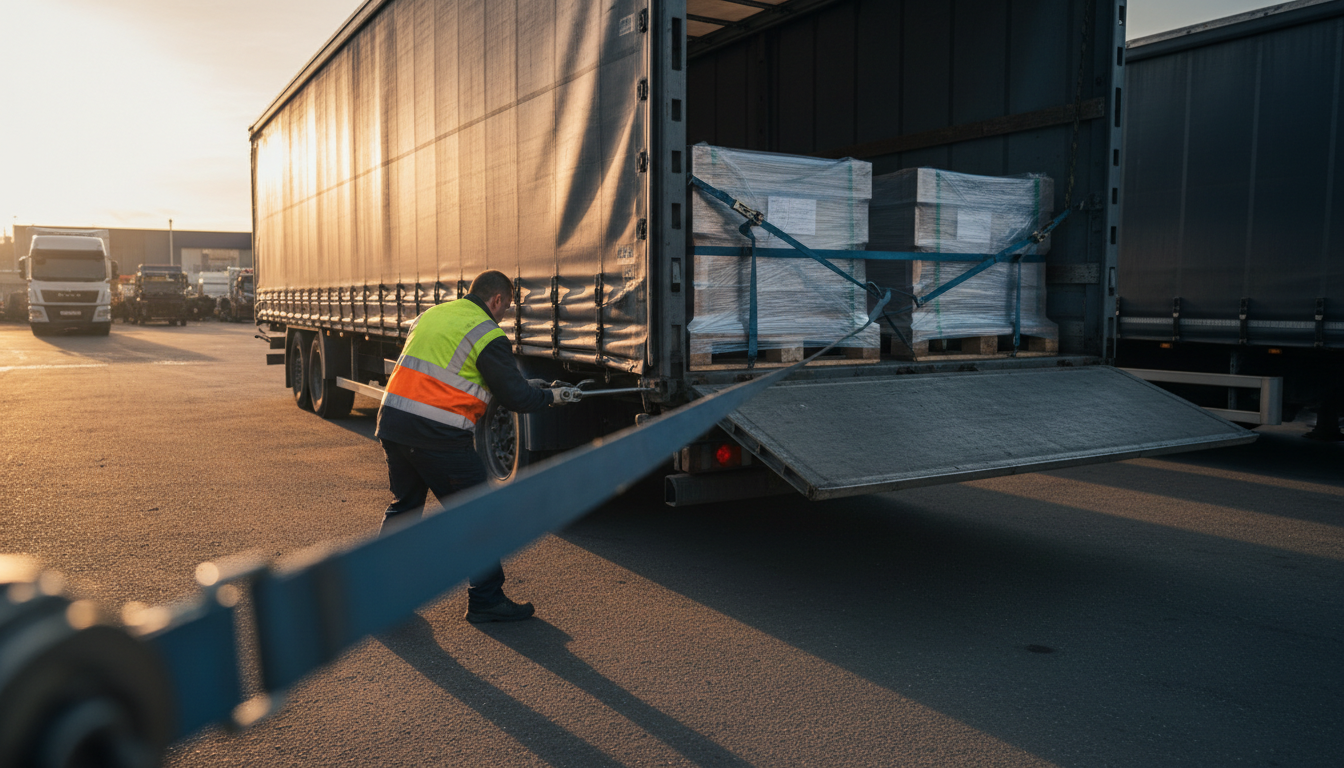
Key Takeaways
- Carriers price on the greater of actual and volumetric weight, so the space a load occupies drives the rate.
- Palletising and consolidating turns many handling events into one and is the biggest single lever on the bill.
- Pack for continuous vibration and for handling at both ends: rigid cartons, no voids, edges protected, load wrapped to the pallet.
- Lead time follows the lane, the service level and the collection cut-off — ask for the figure on your lane rather than a general one.
- Most failed deliveries come from the receiving end: access, offloading equipment and a contact who answers.
Build the load before you price it
Road-freight rates are driven by the space a consignment occupies as much as by what it weighs. Carriers price on the greater of actual weight and volumetric weight, so a light, bulky load is charged on its size. Before you ask for a rate, look at whether the same goods can travel in a smaller footprint.
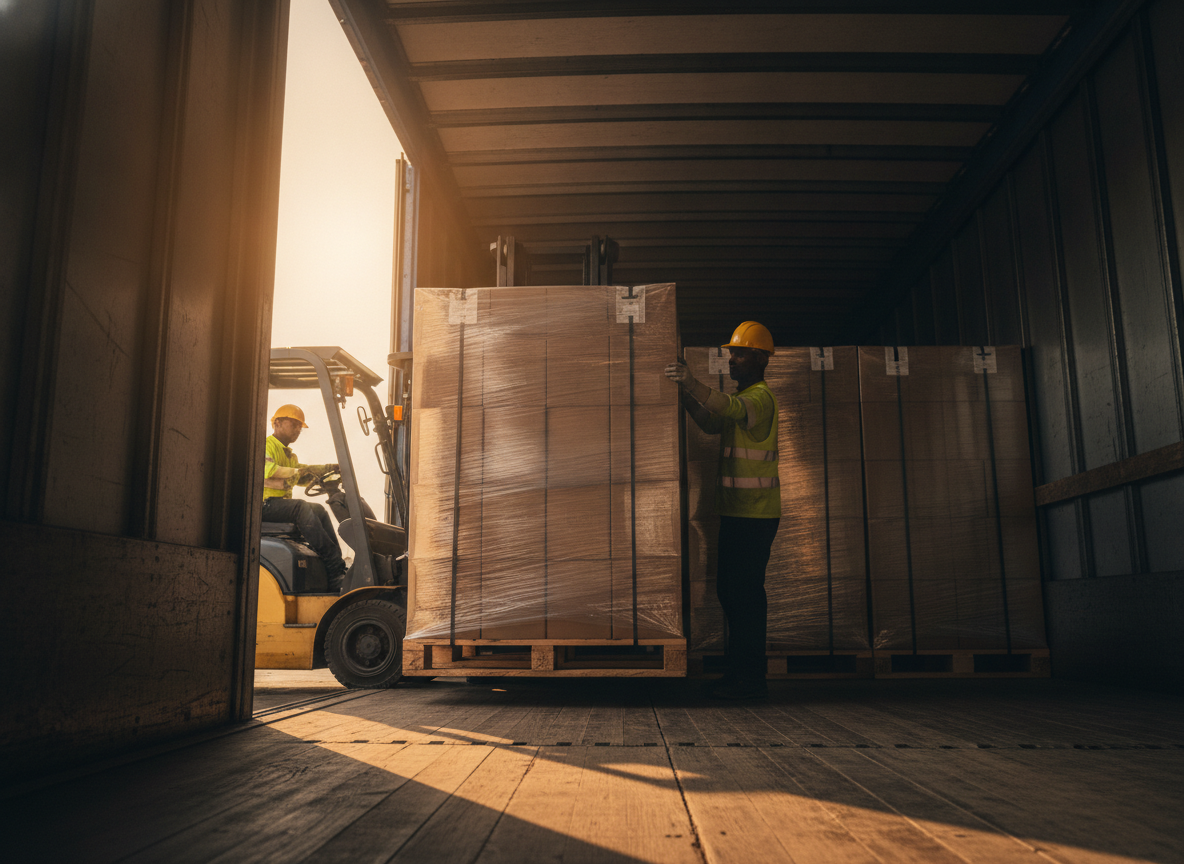
- Palletise anything that can be palletised. A squared-off, wrapped pallet is handled once instead of twenty times, and it is far less likely to go missing or arrive scuffed.
- Fill the cube, not just the floor. Stack to a sensible, stable height rather than spreading cartons across a wide, low footprint.
- Say whether the load is stackable. A load marked non-stackable buys the vertical space above it, and you pay for that space.
- Consolidate what is going to the same place. Three small collections on one day usually beat three separate movements across a week.
Measure it sealed. Take the length, width and height of the load as it will travel, wrapped and on its pallet — that is the shape the carrier prices. Our guide to accurate courier pricing works through the same weight-versus-volume arithmetic in detail.
What actually shrinks the bill
- Fewer, fuller pallets rather than many loose cartons.
- Right-sized boxes, so you are not paying to move air.
- Collections grouped onto the same day and the same lane.
- Accurate dimensions up front, so the quote does not get re-rated later.
Pack for the road, not for the shelf
A long-haul road trip is hours of continuous vibration, plus the loading and offloading at each end. Packaging that survives a shop shelf is not the same as packaging that survives a national corridor. Build for handling and movement:
- Use rigid outer cartons. Double-walled boxes for anything heavy, and never reuse a soft or damaged box for a long-haul leg.
- Fill every void. If the contents can move inside the carton, they will move for the whole trip.
- Protect the edges. Corner boards and edge protectors stop straps cutting into the load and keep the stack square.
- Wrap to the pallet, not just around the goods. The wrap should tie the stack to the pallet itself so the load travels as one unit.
- Keep the load inside the pallet footprint. Anything overhanging is the first thing to be damaged.
- Label every piece. Pallets get split at a cross-dock, and a piece with no label is a piece nobody can match to your consignment.
The same fundamentals apply to smaller consignments — our courier packing guidelines cover cushioning, sealing and labelling parcel by parcel.
Plan the lead time honestly
Transit time on a road lane depends on the corridor, the service level you book and the cut-off you make on the day of collection. A consignment collected after the cut-off has effectively started a day later, whatever the rate card says. Ask for the lead time on your specific lane — Johannesburg to Cape Town does not behave like Durban to Gqeberha — and build in the days around public holidays and month-end peaks, when depots and delivery sites are at their busiest.
Book the collection window
Confirm the cut-off for your area, not the general one.
Check site access
Tail-lift, forklift, loading bay or none of the above changes the vehicle needed.
Name a contact at each end
A phone number that answers prevents most failed deliveries.
Paperwork that keeps a load moving
Domestic road freight carries less paperwork than an export, but what there is has to be exact. The waybill or delivery note should match the physical load piece for piece, and the delivery address should be one the driver can actually reach.
- Piece count and description that match what leaves your floor.
- The receiving site’ constraints noted up front: access, offloading equipment and receiving hours.
- A signed proof of delivery collected at the far end and kept with the invoice.
- Special handling instructions written on the documents, not only mentioned on the phone.
Track it, and tell the receiver
Every consignment travels on a waybill number, and that number is how anyone answers the question of where the load is. Send it to the receiving site when the truck leaves rather than when someone asks. Many delivery failures are not transport failures at all — they are a closed gate, an absent contact or a site that could not offload.
Frequently asked questions
What is volumetric weight, and why does it change my road-freight quote?
Volumetric weight converts the space a load occupies into a weight figure. Carriers charge on whichever is greater, the actual weight or the volumetric weight, because a light, bulky load takes up deck space that nothing else can use. Give accurate sealed dimensions when you request a rate and the quote will hold.
Should I palletise my consignment?
If the goods fill a pallet, or if more than a handful of cartons are going to the same address, palletising is usually worth it. A wrapped pallet is handled as one unit, which reduces both damage and the chance of a piece being separated from the rest.
How long does road freight take between the major centres?
It depends on the corridor, the service level and the collection cut-off you meet. Rather than working from a general figure, ask for the lead time on your specific lane and service when you book, and confirm it again around public holidays.
What causes most delayed deliveries?
More often the receiving end than the road: a site that cannot offload, a contact who cannot be reached, or receiving hours nobody confirmed. Naming a contact and checking access before collection prevents most of it.
Get a road-freight quote
Tell us the lane, the dimensions and when it needs to be there, and get a road-freight quote in under a minute.
Get your instant quote