


Sustainable Sips: How South African Wine Exporters are Crushing Carbon Emissions (and Making Delicious Wine!)
South Africa boasts a rich viticultural heritage, and its wine exporters are leading the way in slashing carbon emissions. From organic and biodynamic farming to energy-efficient production, the local industry is transforming the winemaking landscape, proving that exceptional wine and genuine environmental responsibility can go hand in hand.
Key takeaways
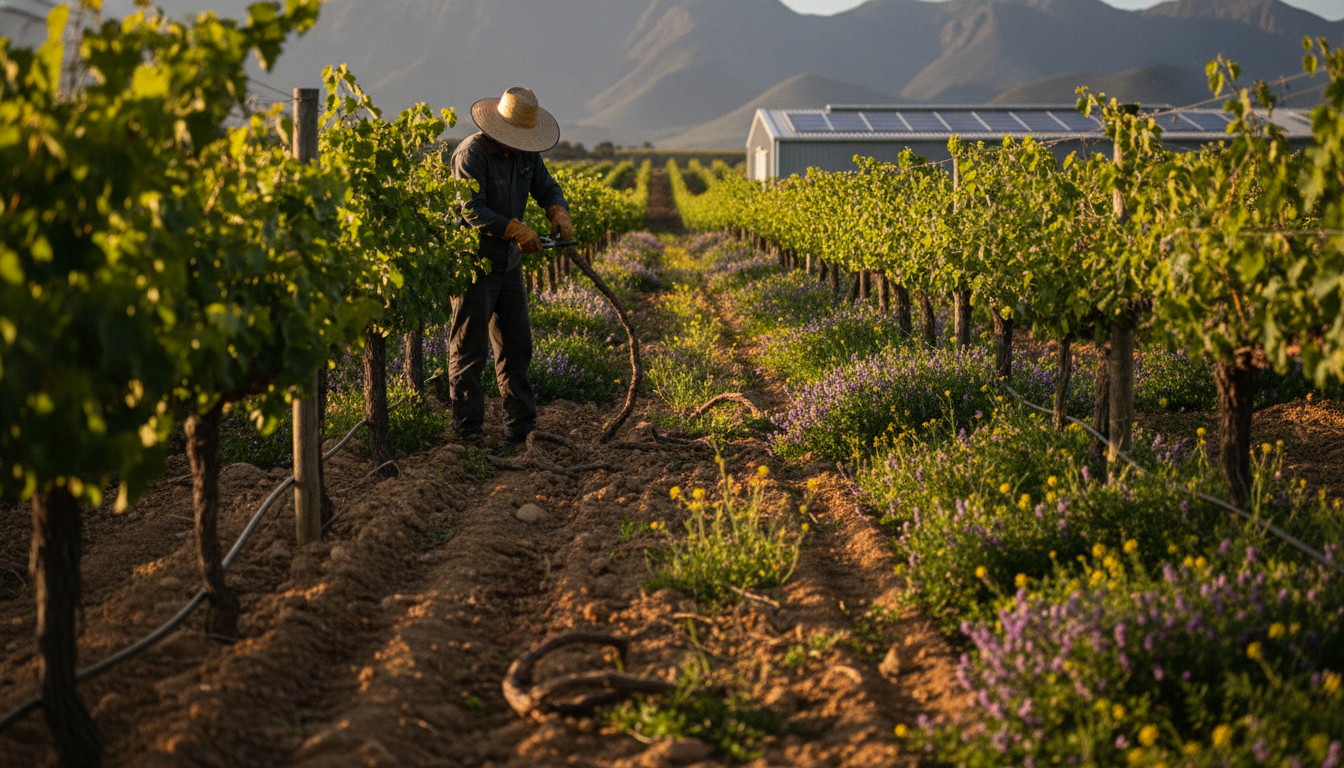
- Organic and biodynamic farming, cover cropping and drip irrigation cut chemical inputs and water waste in the vineyard.
- Solar and wind installations let cellars run on clean energy and reduce their reliance on fossil fuels.
- Rainwater harvesting, recycled wastewater and precision agriculture lower both water and energy use in production.
- Lighter glass, recyclable cartons and low-ink digital labelling shrink the carbon cost of getting each bottle to market.
- Producers such as Bosman Family Vineyards, Boland Cellar, Backsberg, Boschendal and Stellar Winery show the approach working in practice.
The Importance of Sustainability
Sustainability in wine production has become vital now that environmentally aware consumers strongly influence market trends. Wine production is resource-intensive, typically requiring substantial water, energy and land, which can drive up carbon emissions.
South African wine exporters are taking a leading role in sustainable practices, both locally and globally. They prioritise eco-friendly methods to ensure the longevity of their vineyards while responding to global demand for greener products.
Adoption of Eco-Friendly Habits
Adopting eco-friendly habits means putting strategies in place that cut waste and minimise pollution. Production processes increasingly incorporate organic farming, water-efficient irrigation and renewable energy. Many South African farmers favour biodynamic methods that bypass synthetic inputs and rely instead on natural compost.
These practices enhance grape quality and foster a healthy ecosystem that supports biodiversity. Sustainability extends well beyond the vineyard, too: exporters often opt for recyclable materials that significantly lower the carbon footprint of transportation.
Consumer Influence and Market Trends
Environmentally conscious consumers tend to support brands rooted in sustainability that align with their personal values. This represents a profound shift toward eco-friendly practices through mindful land management and resource conservation. By prioritising these methods, South African exporters enhance product quality and set benchmarks globally — proving you can enjoy fine wine and help preserve the planet.
Sustainable Production Methods
South Africa’s wine industry produces world-class wines while spearheading remarkably sustainable farming methods under its open, sunny skies. Exporters are rapidly adopting practices that prioritise eco-friendly outcomes amid growing global awareness of environmental concerns. Biodynamic farming goes a step beyond organic, taking a holistic approach that deeply respects whole ecosystems.
Natural compost is used alongside lunar planting and harvesting cycles to foster biodiversity. By minimising chemical inputs, biodynamic vineyards protect the soil and surrounding flora and fauna while enhancing the grapes’ natural flavours.
Technological Advancements in Winemaking
Many exporters pair biodynamics with precision farming. Winemakers monitor crop health and soil moisture in real time using tools such as satellite imagery, allowing precise, low-waste application of fertiliser and reducing environmental damage. Drip irrigation delivers water directly to the roots, minimising evaporation and conserving water.
Cover cropping is gaining popularity fast: by planting certain crops between the vines, winemakers improve soil health, reduce erosion naturally, enrich the soil with nutrients and attract beneficial insects.
Solar Power and Clean Energy
Many wine exporters are investing heavily in solar power. Solar panels and wind turbines are increasingly common across vineyards and production facilities, letting wineries harness natural energy and reduce reliance on fossil fuels. This clean-energy shift greatly reduces emissions and signals a progressive, eco-friendly outlook that resonates with green consumers.
Global Impact and Future Direction
South African wine exporters craft exceptional wines while leading the charge in sustainable agriculture. Their dedication serves as a motivating example for global producers, proving that respect for the land and high-quality output can coexist. As these practices gain momentum, they pave the way for a more sustainable future and help ensure the beauty of South Africa’s wine regions endures.
Energy Efficiency and Conservation
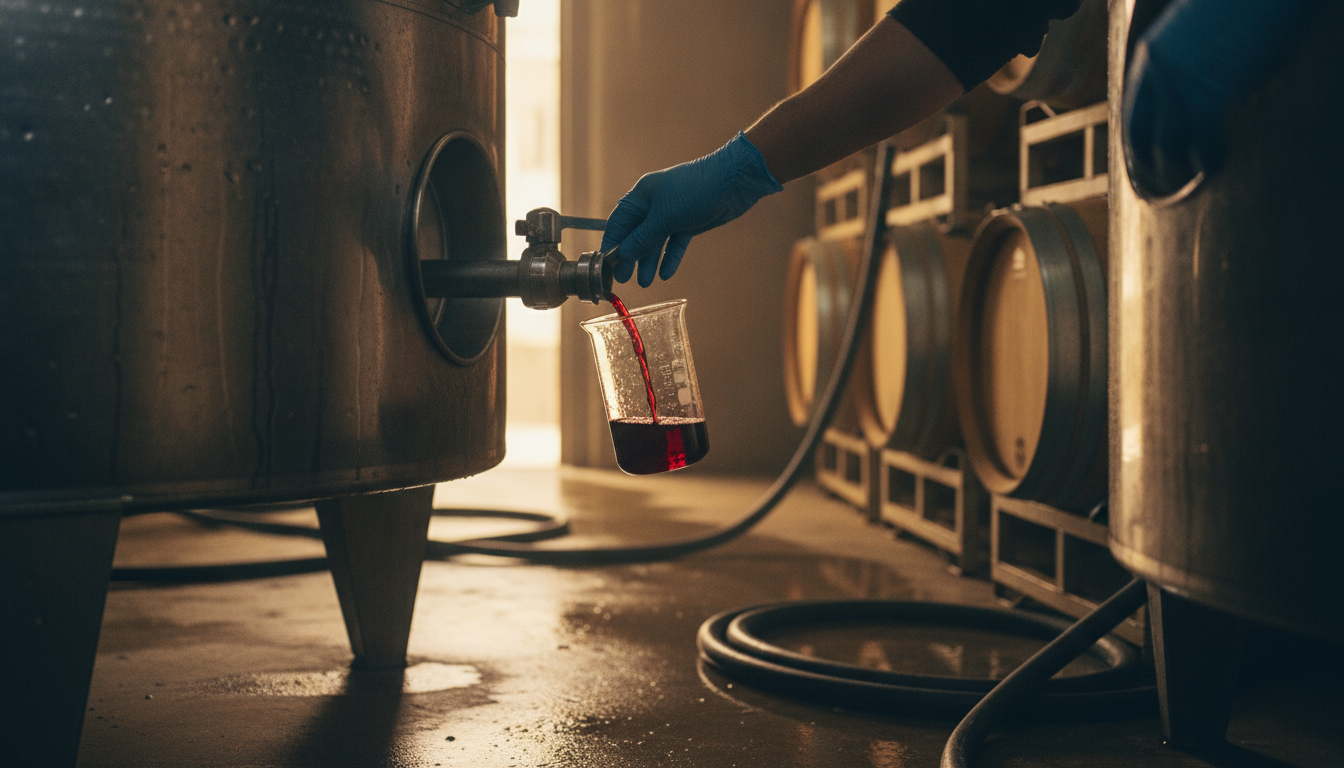
A primary strategy is integrating solar and wind energy directly into the production process. Under South Africa’s abundant sunshine, many vineyards have installed solar panels to power their facilities with clean energy — dramatically cutting operating costs and dependence on fossil fuels. Innovative winemaking techniques further optimise energy use, with producers shifting toward fermentation processes that consume less energy thanks to reduced temperature-management requirements and precision temperature control.
Water Conservation Practices
Water conservation is critical to efficient, low-energy production. Many wineries invest in rainwater harvesting and recycle wastewater for irrigation, reducing overall energy consumption. Precision agriculture helps vintners monitor their vineyards closely, ensuring resources are used responsibly and ecological balance is maintained.
Pioneering Sustainable Wines
South African wine exporters craft exceptional wines via sustainable production methods, setting a benchmark for environmental responsibility. Their dedication is an inspiring global model, proving it is possible to produce high-quality wine sustainably and with care for the planet. Getting that wine to an overseas buyer is its own discipline — see our guide to shipping to and from South Africa for the customs paperwork and carrier choices involved, and why expert export guidance pays when a shipment has to clear a border.
The Role of Packaging
Packaging plays a crucial part in slashing carbon footprints — especially in the wine industry, where South African exporters lead with sustainable methods. As consumers grow more aware of eco issues, packaging is getting far more attention, and exporters increasingly prioritise eco-friendly options to minimise their environmental footprint.
Many are shifting toward superlight, eco-friendly materials. Traditional glass bottles are heavy and energy-intensive to produce, so wineries are exploring alternatives such as eco-friendly cartons and lightweight glass that drastically cut the energy needed for transport. The same discipline applies to the outer carton: our courier packaging guide covers the box, cushioning and labelling that keep bottles intact in transit.
Innovation in Wine Packaging
By reducing weight, exporters lower carbon emissions during transport and cut shipping costs, making their products more competitive globally. Biodegradable materials and innovative closures — such as screw caps from sustainable sources — further enhance packaging sustainability. These materials are crafted with minimal environmental impact and are frequently sourced from renewable resources, reducing reliance on fossil fuels. Many exporters now favour recycled materials, fuelling a circular economy in which packaging is repurposed again and again.
Branding and Sustainability
Sustainability extends to labelling: wineries often prefer digital printing that uses less ink and energy, and choose eco-friendly inks. These eco-conscious values inform their branding, communicating a genuine commitment to sustainability directly to consumers. By prioritising sustainable packaging, exporters strengthen their environmental responsibility and appeal to a growing demographic invested in eco-friendly products — setting a compelling example that luxury and sustainability go hand in hand.

Sustainable Wine Farms in South Africa
- Bosman Family Vineyards: Known for their dry-farming approach and community initiatives, Bosman supports community projects such as the Pebbles Project. Read more about their story.
- Boland Cellar: Focused on ecosystem conservation, ethical trade and sustainable packaging. Learn about their commitment.
- Backsberg: The first fully verified carbon-neutral winery in South Africa, setting a high standard for environmental responsibility. Explore their carbon-neutral practices.
- Boschendal: Implements regenerative farming, using cattle and chickens to improve soil health, biodiversity and sustainability. See the future of farming.
- Stellar Winery: Known for organic wines with a strong emphasis on social responsibility. Visit their sustainability page.
Exporting wine or shipping abroad?
Get a fast, reliable international courier quote — protect your product and your carbon budget. No account needed.
Get your instant quote →